The longevity of high-power LED components has become a significant concern for manufacturers and consumers alike. Industry expert Dr. John Smith, who specializes in solid-state lighting, once stated, "Understanding the lifespan of high-power LED components is crucial for optimizing performance and efficiency." This highlights the need to delve into the intricacies of LED technology to gain a clearer picture of what affects their longevity.
As we explore the question, "What is the lifespan of high-power LED components?", several factors emerge. These include operating temperature, thermal management, and quality of materials used in production. Each of these elements greatly influences how long an LED can function effectively. Additionally, many users overlook the importance of proper installation and usage, which can either extend or shorten the lifespan of these components.
It's essential to recognize that while advancements in LED technology promise longer lifespans, variability does exist. Not all high-power LEDs are created equal, and their performance can differ from one application to another. Therefore, careful evaluation is necessary to determine whether an LED will meet specific needs. Understanding these nuances is key to making informed decisions in both designing and using LED systems.
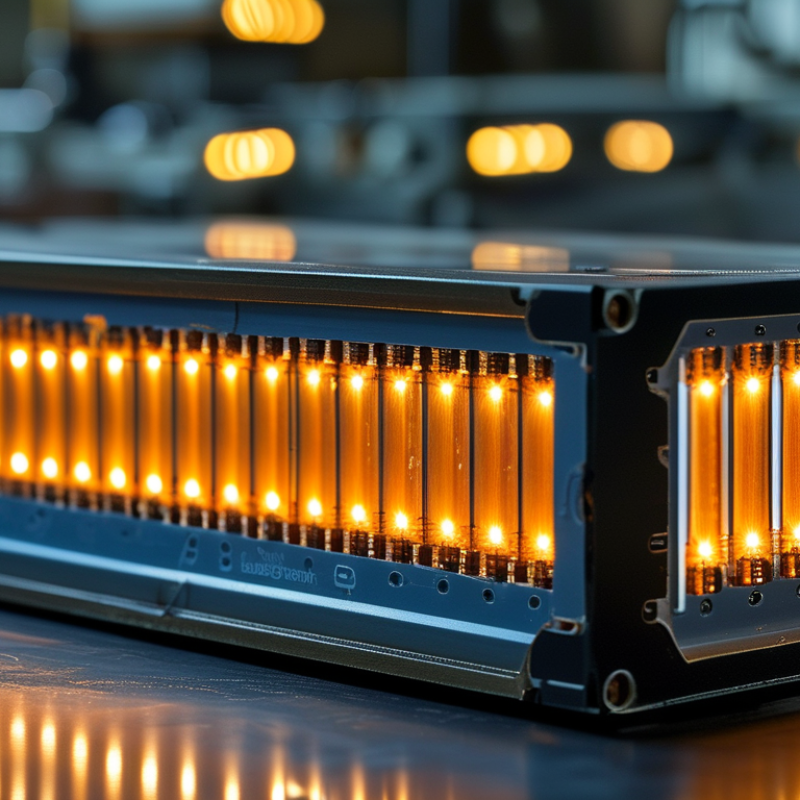
Understanding the Basics of High Power LED Lifespan Measurement
High power LEDs have transformed various lighting applications with their efficiency and longevity. However, determining their lifespan requires a nuanced understanding. The lifespan is influenced by factors such as operating temperature, current, and usage. High temperatures can significantly reduce the efficiency of these LEDs. It's crucial to monitor the thermal management of the components used to ensure they operate within specified limits.
When measuring lifespan, the commonly used metric is L70. This indicates the point at which the LED will emit only 70% of its original brightness. Conducting consistent stress tests under different conditions can offer insights into performance degradation over time. However, real-world applications might differ from lab tests. External environments often introduce variables that can affect longevity.
In practice, using proper heatsinks and design can mitigate some risks. Nevertheless, manufacturers may provide estimated lifespans that can vary widely. These estimates are often idealized and do not account for all operational factors. Understanding these nuances can help consumers make informed decisions, yet there's always an element of unpredictability involved.
Key Factors Influencing the Lifespan of High Power LED Components
Understanding the lifespan of high-power LED components requires examining several key factors. One of the most significant aspects is thermal management. High temperatures can drastically reduce an LED's life. Research shows that every increase of 10°C can halve the lifespan. Proper heat sinks and thermal interface materials help dissipate heat effectively, promoting longevity.
Another critical factor is electrical input stability. Voltage fluctuations can lead to failures in LED components. A comprehensive study indicated that consistent voltage within the manufacturer’s specifications can extend the lifespan significantly. Additionally, drivers with current regulation play a vital role in enhancing performance and life expectancy.
When considering installation, ensure that the environment is suitable. Dust, humidity, and other environmental stressors can impair performance. LEDs installed in harsh conditions may require additional protective measures.
Tips include monitoring the thermal performance regularly. Aim for temperatures around 70–85°C for optimal operation. Check for proper current regulation in your setup. Invest in quality drivers to prevent voltage inconsistencies. Lastly, maintain cleanliness in the installation area to ensure maximum efficiency.
Industry Standards for Evaluating LED Lifespan and Reliability
When assessing the lifespan of high power LED components, industry standards play a crucial role. These standards provide guidelines to evaluate LED reliability and longevity. Organizations like the Illuminating Engineering Society (IES) and the International Electrotechnical Commission (IEC) offer criteria for testing. Their protocols include temperature, humidity, and electrical stress tests. Adhering to these standards helps in creating a baseline for expected LED lifespan.
Life tests often involve accelerated aging methods. This approach can reveal potential issues that may arise over time. Manufacturers monitor luminous flux degradation and thermal stability during these tests. However, results may not always translate directly to real-world conditions. Environmental factors can greatly influence performance. For example, high ambient temperatures may lead to faster degradation than anticipated.
Understanding these standards also means recognizing their limitations. While they establish a framework, not all LEDs perform equally under different circumstances. The actual lifespan can be affected by driver quality and fixture design. This complexity highlights the need for ongoing research and development. Improvements in technology will continue influencing LED longevity and reliability metrics.
High Power LED Lifespan Evaluation
This bar chart represents the average lifespan of high power LED components under various temperature conditions. The data reflects how temperature influences the longevity and reliability of LEDs, as per industry standards.
Techniques for Accelerated Aging Tests of LED Components
Accelerated aging tests are essential for determining the lifespan of high-power LED components. These tests help simulate long-term use in a shorter timeframe. Engineers often use elevated temperatures and humidity levels to speed up degradation processes. This method can provide a clearer picture of how components will fare over time.
One common technique involves applying constant voltage to LEDs while increasing the ambient temperature. This stress test can reveal critical weaknesses. However, interpreting results requires caution. Not all failures in accelerated tests predict actual field performance. Unexpected behaviors may occur, leaving room for reflection on testing methodologies.
Another approach is cycling the power on and off, mimicking real-life usage. This cycling can expose fatigue in solder joints and other connections. Yet, the correlation between these tests and real-world scenarios isn’t always straightforward. It highlights the importance of comprehensive testing tailored to specific applications. Understanding these nuances ensures reliable assessments of LED component longevity.
Analyzing Thermal Management Effects on LED Lifespan Performance
Thermal management is critical for the lifespan of high-power LED components. LEDs inherently generate heat, which can significantly impact their performance. A report from the U.S. Department of Energy states that poor thermal management can reduce LED lifespan by up to 50%. Proper heat dissipation strategies can help maintain optimal operating temperatures and prolong the life of an LED.
Effective heat sinks are essential in managing thermal energy. By allowing heat to dissipate, they help maintain efficiency and color stability. Inadequate thermal management can lead to thermal runaway, resulting in premature failure. Research indicates that maintaining junction temperatures below 85°C can enhance LED longevity. However, achieving this requires rigorous testing and design optimization.
Industry benchmarks suggest that high-quality LEDs can last up to 50,000 hours with effective thermal strategies. Yet, many designs overlook the importance of thermal interfaces and materials. Engineers often focus on initial lumens, neglecting heat management complexities. This oversight can lead to increased maintenance costs over time. Addressing these challenges is vital for maximizing LED performance and ensuring reliability.
Conclusion
The lifespan of high-power LED components is a critical aspect for manufacturers and users alike, influencing both performance and reliability. To determine what is the lifespan of high-power LED components, it is essential to understand the basic measurement principles, as various factors play significant roles, including thermal management, quality of materials, and operating conditions.
Industry standards provide a framework for evaluating LED lifespan and reliability, ensuring consistency across evaluations. Accelerated aging tests are employed to simulate long-term performance and identify potential failure points. By focusing on effective thermal management, manufacturers can enhance the lifespan performance of high-power LEDs, leading to more sustainable and efficient lighting solutions.

 Zever Light